Cold Plunge Benefits: What 3 Minutes at 37°F Actually Does
The real, evidence-informed benefits of cold plunging - from recovery and inflammation to mood, focus and sleep - and how to start safely.
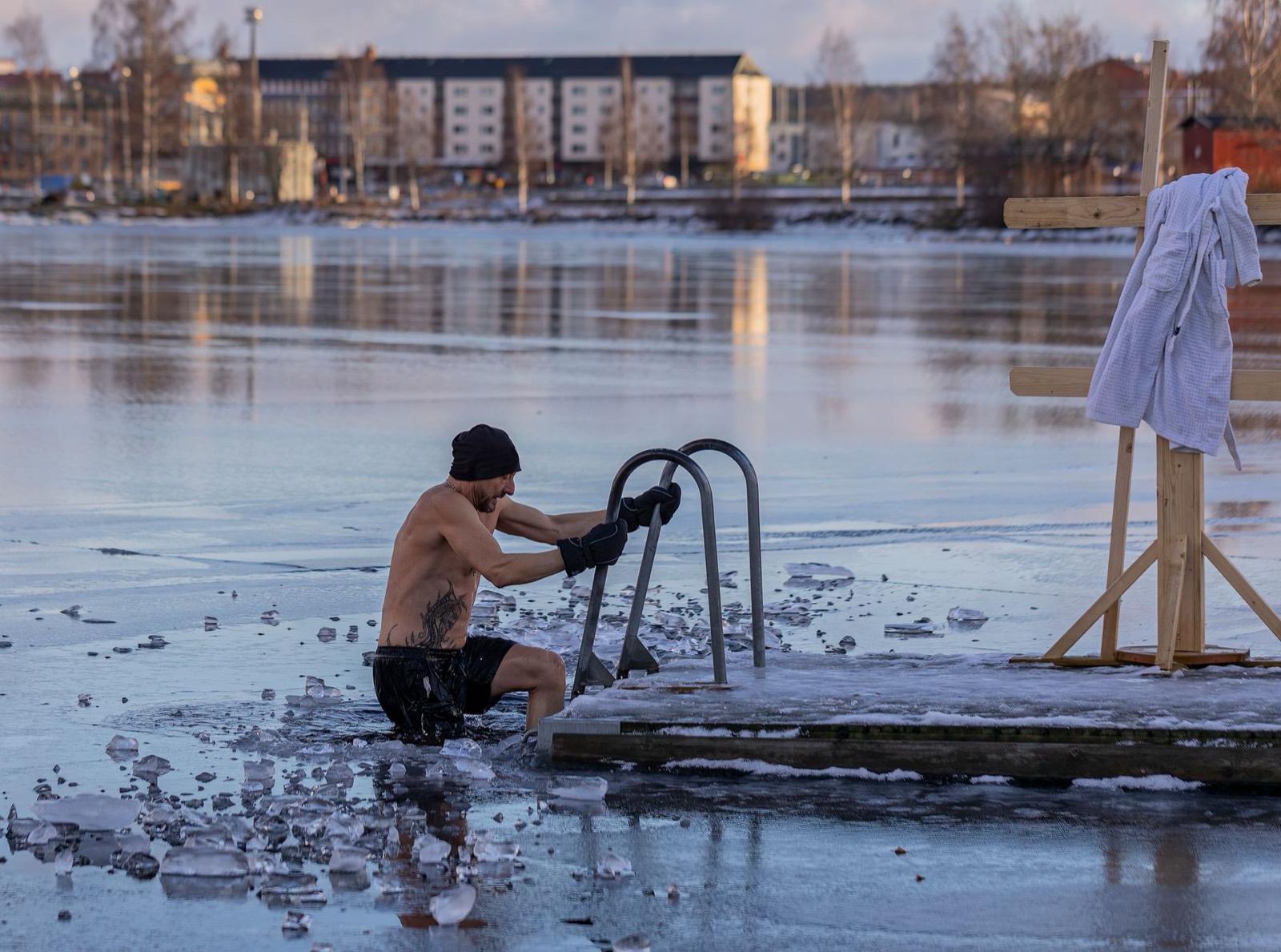
Cold plunging has gone from fringe biohack to morning ritual for millions. But past the hype, what does deliberate cold exposure actually do? Here is what the research points to, in plain terms.
It flushes tired muscles
Cold water constricts your blood vessels. When you get out and rewarm, they dilate, and that push-pull acts like a pump - moving blood and metabolic waste out of fatigued tissue. It is why athletes have used cold immersion for decades to bounce back between sessions.
It sharpens mood and focus
A few minutes in cold water triggers a large, sustained release of norepinephrine and dopamine - the same neurochemistry behind alertness and drive. Many plungers describe a clean, calm focus that lasts hours. It is the reason a cold plunge lands so well first thing in the morning.
It builds stress resilience
Voluntarily choosing something hard and uncomfortable, then controlling your breath through it, trains your nervous system to stay calm under stress. That skill transfers well beyond the tub.
It may support metabolism and sleep
- Cold exposure activates brown fat, which burns energy to produce heat.
- Regular plungers often report deeper sleep, likely tied to the drop-and-rebound in core temperature.
- Reduced perceived muscle soreness means you train more consistently.
How to start
Begin at 50-55°F for 1-2 minutes and work colder and longer over a few weeks. Breathe slowly, never plunge alone when you are new to it, and step out if you stop shivering-controlled. A chiller plunge that holds a set temperature makes this far easier to do consistently than hauling ice.
Find the plunge or sauna that fits your space and budget.
Take the 60-second quiz